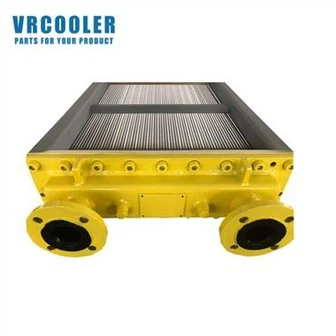
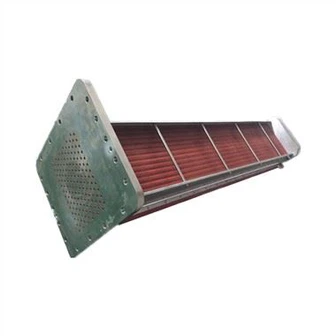
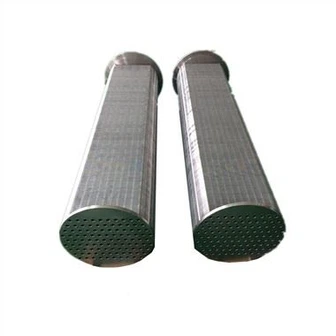
A Complete Set Of A Lubricating (LUB) Oil Cooler
A complete set of a lubricating (LUB) oil cooler is essential for maintaining the optimal performance and longevity of machinery by ensuring that the lubricating oil stays within a desired temperature range. This cooling system is critical in various industrial applications, including power plants, marine engines, and heavy machinery. Here's a comprehensive overview of what typically constitutes a complete LUB oil cooler set, its components, features, and selection criteria.
Components of a Complete LUB Oil Cooler Set
Heat Exchanger: The core component where the actual cooling of the oil takes place. It can be of various types such as:
Shell and Tube: Consists of a series of tubes, one set carrying the oil and the other carrying the cooling medium (water or air).
Plate Heat Exchanger: Made up of multiple thin, corrugated plates stacked together, allowing efficient heat transfer.
Air-cooled Heat Exchanger: Uses air flow to dissipate heat from the oil.
Cooling Medium Supply System:
Water Pumps: For water-cooled systems, pumps circulate the cooling water through the heat exchanger.
Fans: For air-cooled systems, fans ensure adequate air flow over the heat exchanger surfaces.
Temperature Control Systems:
Thermostatic Valves: Regulate the flow of oil or cooling medium based on temperature settings.
Temperature Sensors and Gauges: Monitor the temperature of the oil to ensure it remains within the desired range.
Piping and Valves: Includes all necessary piping, fittings, and valves to connect the cooler to the machinery's lubrication system.
Mounting and Support Structures: Frames or brackets to securely mount the cooler and associated components.
Control Panel: An interface for monitoring and controlling the operation of the cooler, often equipped with alarms for high temperature or flow issues.

Features and Benefits
High Efficiency: Effective heat transfer mechanisms ensure the oil is cooled efficiently, maintaining optimal lubrication conditions.
Durability: Constructed from materials that resist corrosion and withstand high temperatures and pressures.
Compact Design: Space-saving designs suitable for integration into existing machinery setups.
Ease of Maintenance: Designed for easy access for cleaning, inspection, and part replacement.
Energy Efficiency: Utilizes energy-efficient components like pumps and fans to reduce operational costs.
Selection Criteria
Cooling Capacity: Determined by the heat load from the lubricating oil, typically expressed in kilowatts (kW) or BTUs per hour.
Type of Cooling Medium: Decide between water-cooled or air-cooled based on the availability and suitability of the cooling medium.
Flow Rates: Ensure the cooler can handle the required flow rates of oil and the cooling medium.
Operating Environment: Consider environmental conditions such as ambient temperature, humidity, and potential corrosive elements.
Compatibility: Ensure the cooler is compatible with the existing lubrication system in terms of connection sizes, pressure ratings, and materials.
Maintenance Requirements: Choose a design that aligns with the maintenance capabilities and schedules of your operation.
Regulatory Compliance: Ensure the cooler meets relevant industry standards and regulations for safety and performance.
Conclusion
A complete LUB oil cooler set is a crucial component in many industrial applications, ensuring the efficient and reliable operation of machinery by maintaining optimal oil temperatures. By carefully selecting and maintaining a suitable oil cooler, you can enhance the performance, durability, and efficiency of your equipment.