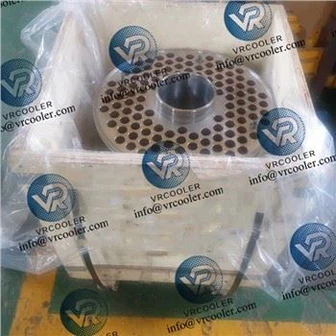
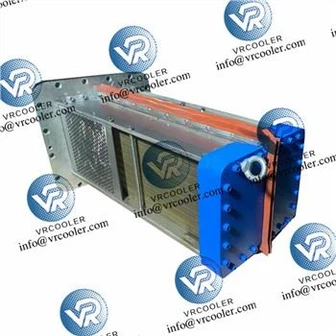
550 Kw Dry Cooler For Data Centre
The use of dry coolers in data centers is a common cooling system used to control the temperature inside a data center. A dry cooler typically consists of a series of heat sinks that are cooled by the flow of outside air.

Here's how dry coolers generally work when used in data centers:
Heat Exchange: Servers and equipment in a data center generate a lot of heat. Dry coolers transfer this heat from inside the data center to the outside air through heat exchange. Typically, this involves passing a hot cooling medium (usually water or coolant) through a system of heatsinks that form films on the heatsinks, and then outside air flows through these films, carrying away the heat.
Outside Air Flow: The dry cooler introduces outside air around the data center through forced or natural ventilation. This air flows through the heat sinks of the dry cooler, absorbing heat and removing it. Typically, dry coolers are designed to be more efficient when the ambient temperature is low.
Cooling Cycle: Cooling media circulates through the heatsink system, removing heat from the data center and being cooled on the outside of the dry cooler. This cycling process can be continuous to maintain the proper temperature inside the data center.
Monitoring and Control: Data centers use monitoring and control systems to monitor temperatures and environmental conditions and adjust the operation of the dry cooler as needed. This can be accomplished through an automated control system or based on manual intervention.

The benefits of using dry coolers include lower energy consumption and relatively low maintenance costs. In contrast to conventional cooling systems, dry coolers do not require the extensive use of water and do not have the problems associated with water treatment. In addition, dry coolers are typically designed to be physically smaller and can therefore be more easily installed in the data center building structure.