

How often should an air compressor cooler be cleaned?
Hey there! As a supplier of air compressor coolers, I often get asked the question: “How often should an air compressor cooler be cleaned?” Well, there’s no one - size - fits - all answer to this question, but I’m gonna break it down for you.
Factors Affecting Cleaning Frequency
First off, the environment where the air compressor operates plays a huge role. If your compressor is working in a dirty, dusty place, like a construction site or a mining area, it’s gonna need more frequent cleaning. Dust and debris can quickly build up on the cooler’s fins, reducing its efficiency. For instance, if you have a compressor running in a construction zone where there’s a ton of fine dust in the air, you might need to clean the cooler every couple of weeks.
On the other hand, if the compressor is located in a relatively clean indoor environment, like an office building’s mechanical room, the cleaning interval can be much longer. Maybe every few months would be sufficient.
Another factor is the usage intensity. If the air compressor is running non - stop for long hours every day, it’ll generate more heat, and the cooler will have to work harder. This means that dirt and grime will accumulate faster, and you’ll need to clean it more often. For a compressor that runs continuously in a manufacturing plant, monthly cleaning could be necessary. But if it’s only used occasionally, say for small DIY projects at home, you might get away with cleaning it once or twice a year.
Types of Air Compressor Coolers
There are different types of air compressor coolers, and each has its own cleaning needs.
Air - cooled coolers
These coolers rely on air to dissipate heat. They have fins that increase the surface area for better heat transfer. Over time, these fins can get clogged with dirt, leaves, and other debris. If you have an air - cooled cooler, you should visually inspect it regularly. A simple rule of thumb is to check it once a week. If you notice a significant build - up of dirt, it’s time for a cleaning.
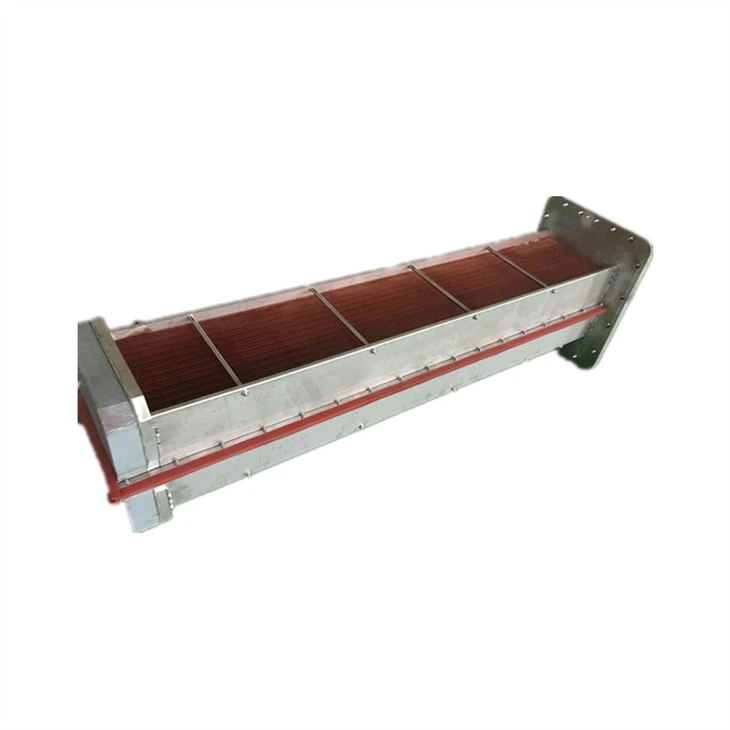
For example, our Centac Cooler 5CII is a popular air - cooled cooler. It’s designed to be efficient, but like any air - cooled unit, it needs proper maintenance. If it’s used in a place with a lot of airborne particles, you might want to clean it every 2 - 3 weeks.
Water - cooled coolers
Water - cooled coolers use water to remove heat from the compressed air. The main issue with these coolers is the build - up of scale and sediment. Hard water can cause scale to form inside the tubes, reducing the water flow and heat transfer efficiency. If you’re using a water - cooled cooler, you should test the water quality regularly. If the water is hard, you might need to install a water softener.
As for cleaning, if the water quality is good, you can probably clean the cooler every 3 - 6 months. However, if the water has a high mineral content, monthly or bi - monthly cleaning could be required. Our SAMSUNG CBFR21000 - G01 Heat Exchanger is a great water - cooled option, but it needs proper water treatment and regular cleaning to keep it running smoothly.

Signs That Your Cooler Needs Cleaning
Sometimes, you don’t have to follow a strict schedule. There are some signs that indicate your air compressor cooler needs immediate cleaning.
- High discharge temperature: If the temperature of the compressed air coming out of the compressor is higher than normal, it could be because the cooler is clogged and not removing enough heat.
- Reduced air flow: A decrease in the amount of air being delivered by the compressor can also be a sign of a dirty cooler. The dirt on the fins or in the tubes restricts the air or water flow, which affects the overall performance of the compressor.
- Increased energy consumption: When the cooler is dirty, the compressor has to work harder to maintain the same level of performance. This leads to an increase in energy consumption. If you notice a spike in your electricity bill, it might be time to clean the cooler.
Cleaning Tips
When it’s time to clean your air compressor cooler, here are some tips:
- For air - cooled coolers: Use a soft brush or compressed air to remove the dirt from the fins. Start from the top and work your way down. If the dirt is stubborn, you can use a mild detergent and water solution. Make sure to rinse it thoroughly and let it dry completely before turning the compressor back on.
- For water - cooled coolers: You can use a chemical cleaner to remove the scale and sediment. Follow the manufacturer’s instructions carefully. After cleaning, flush the cooler with clean water to remove any remaining chemicals.
Specific Cooler Examples
Let’s take a look at some of our other coolers and their typical cleaning frequencies.
The Cooper Joy Compressor Cooler TA48 is a robust cooler that’s often used in industrial settings. In a heavy - duty industrial environment, it might need cleaning every 4 - 6 weeks. But in a less demanding environment, quarterly cleaning could be enough.
Our 5.7608.1 Kaeser Air Compressor Cooler is known for its reliability. If it’s used in a clean indoor workshop, you can probably clean it every 3 - 4 months. However, in a more polluted environment, monthly checks and cleaning as needed are recommended.
The SAMSUNG SBFR21100 - G02 Heat Exchanger, a water - cooled unit, requires proper water management. If the water is treated well, semi - annual cleaning should suffice. But if the water quality is poor, it could need cleaning every couple of months.
Why Regular Cleaning Matters
Regular cleaning of your air compressor cooler is not just about keeping it looking good. It has several important benefits.
- Improves efficiency: A clean cooler can transfer heat more effectively, which means the compressor doesn’t have to work as hard. This leads to lower energy consumption and cost savings.
- Extends lifespan: By preventing the build - up of dirt and scale, you can reduce wear and tear on the cooler and the compressor. This can significantly extend the lifespan of your equipment.
- Ensures consistent performance: A dirty cooler can cause fluctuations in the compressor’s performance. Regular cleaning helps maintain a consistent air flow and pressure, which is crucial for many applications.
Contact Us for Your Air Compressor Cooler Needs
If you’re looking for high - quality air compressor coolers or need more advice on maintenance, don’t hesitate to reach out. We have a wide range of coolers to suit different needs and environments. Whether you need a cooler for a small home project or a large industrial operation, we’ve got you covered. Contact us to start a discussion about your requirements and let’s find the perfect air compressor cooler for you.
References
- Compressed Air and Gas Institute (CAGI) - Guidelines on Air Compressor Maintenance
- Manufacturer's manuals for various air compressor coolers